
Task Number 02 · Product Design RFP

Development of E-Nose Sensor Module Product Design

제품, 공공, 공예 등
Company Name WENS
Category Product Design
01

Company Introduction
e03d335ffa1a3966d42ceb9d0ff43db0.jpg

WENS is a manufacturer of electronic devices and gas analysis equipment established in 2014. The company is conducting business based on its accumulated technological capabilities and commercialization experience centered on air quality measurement and gas analysis.
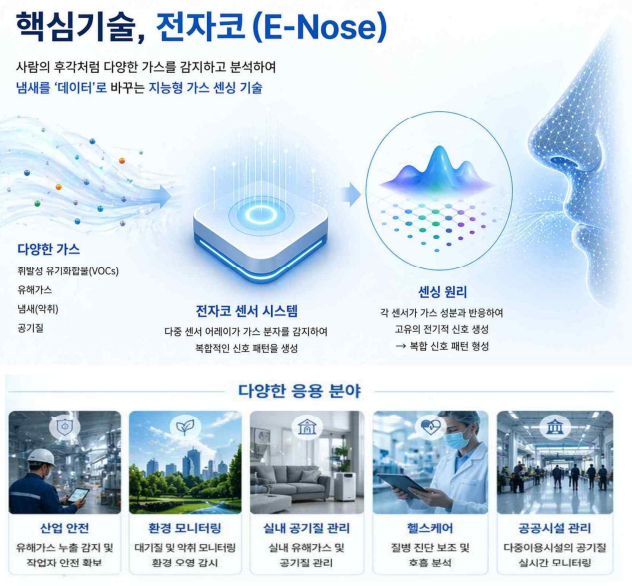
The company’s core technology is E-Nose-based complex gas sensing technology, which enables precise measurement and analysis of specific gas components and air quality conditions in various environments. Based on this, the company has secured technological competitiveness that can be expanded into various application fields, including industrial safety, environmental monitoring, healthcare, and public facility management.
In addition, WENS maximizes the completeness of its products and technologies by integrating core element technologies that meet customer needs, including atmospheric environment and indoor hazardous gas monitoring, AI-based data analysis systems, industrial automation, and IoT embedded systems. Through this, the company creates new value and continues developing next-generation innovative technologies.
02

Item Overview (Necessity, Purpose of Use)

  • 1. Continuous Expansion of Demand for Hazardous Gas and Air Quality Monitoring
    • Demand for real-time hazardous gas and air quality monitoring is rapidly increasing in various spaces, including industrial sites, public facilities, research environments, and living environments.
    • In particular, in chemical handling facilities, manufacturing sites, confined spaces, and multi-use facilities, precise detection of hazardous substances and early identification of abnormal signs have become key elements of safety management.
    • Along with the increasing social demand for the prevention of industrial accidents, the need to establish continuous monitoring systems at workplaces is expanding due to strengthened safety regulations such as the Serious Accidents Punishment Act.
    • As environmental standards become stricter and ESG management, smart factories, and smart buildings continue to expand, demand for data-based continuous monitoring and remote management is increasing.
    • Accordingly, sensor equipment is advancing beyond simple measurement toward real-time data collection, analysis, and integration functions.
  • 2. Limitations in Applicability and Scalability of Existing Measuring Equipment
    • Existing measuring equipment is often developed for specific environments or single-purpose applications, making it difficult to respond flexibly to various industrial and field conditions.
    • There are also limitations in system integration and scalability in terms of product structure and interface.
    • Portable equipment offers excellent mobility and convenience, but has limitations in continuous monitoring, facility integration, and data accumulation.
    • Fixed equipment is tied to specific locations, resulting in limited application range and low flexibility of use.
    • Many products are based on a single sensor or limited measurement items, making it difficult to analyze complex environmental changes and various gas components simultaneously.
    • Even when technical performance is excellent, difficulties may arise in actual market application and customer expansion if exterior design, interface, environmental durability, maintainability, user convenience, and appearance reliability are not sufficiently secured.
  • 3. Need for Commercialization of a Versatile Sensor Module
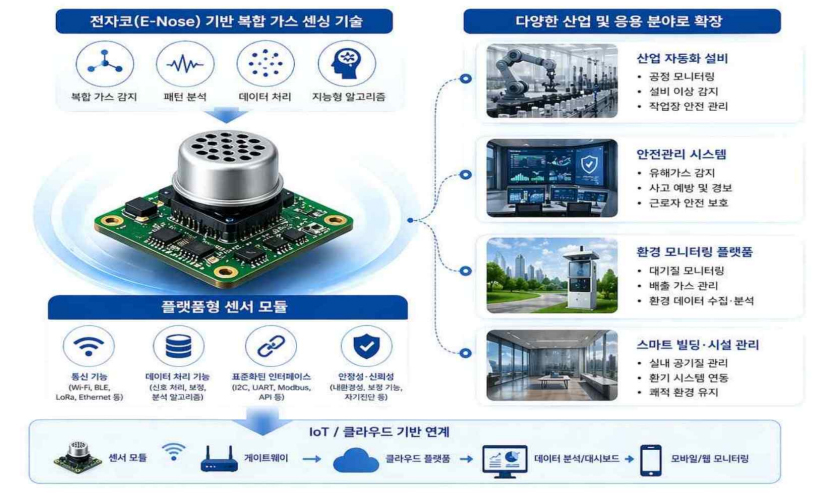
    • It is necessary to develop a sensor module product with versatility and scalability that can be applied to various environments and industries by utilizing E-Nose-based complex gas sensing and AI technology.
    • Beyond a simple measuring device, a modular structure that can be easily mounted on and integrated with various equipment and systems is required.
    • Through this, the product should be expandable to industrial automation facilities, safety management systems, environmental monitoring platforms, and other applications.
    • In particular, it is important to facilitate integration with IoT and cloud-based systems through a platform-type sensor structure that includes communication functions, data processing functions, and standardized interfaces.
    • By securing a structure that allows one sensor technology to be reused and expanded across various industries and application fields, the company can strengthen not only product competitiveness but also business scalability and market responsiveness.


989aefe43b17a775df0e33dde9a48e37.jpg
03

Item Product Concept (Design Considerations)

  • 1. Size : Design of a small-to-medium-sized module considering various use cases such as portable use, installation, and equipment mounting
  • 2. Performance : Precise measurement of complex environmental information such as fine dust, hazardous gases, temperature/humidity, and atmospheric pressure, with stable data collection
  • 3. Function : Real-time sensing, data transmission, status checking, maintenance convenience, and a structure with expandable interfaces for each application environment
  • 4. User : Industrial site operators, environmental managers, system development companies, research institutes, public safety management agencies, etc.
  • 5. Consumer : B2B corporate customers, public institutions, professional solution companies, and technology verification customers
  • 6. Price Range : Targeted at the mid-to-high-priced professional equipment market depending on function and application specifications
  • 7. Other Features
    • Highly reliable appearance suitable for professional measuring equipment
    • Structure considering various usage environments such as contamination, dust, and impact
    • Housing design considering both air inflow and sensor protection
    • Securing a design identity that can respond to future product line expansion
  • 8. Others
    • Consideration of a basic module structure expandable into fixed, mobile, and system-linked types depending on the purpose of use
    • A design direction is required that can also secure usability as business commercialization materials such as prototypes, working mockups, and promotional renderings
04

Item Examples

eeb3a2b3e03bd596e7fa37cf093e8152.jpg
740aaede4b6def2737457b2783c23e72.jpg

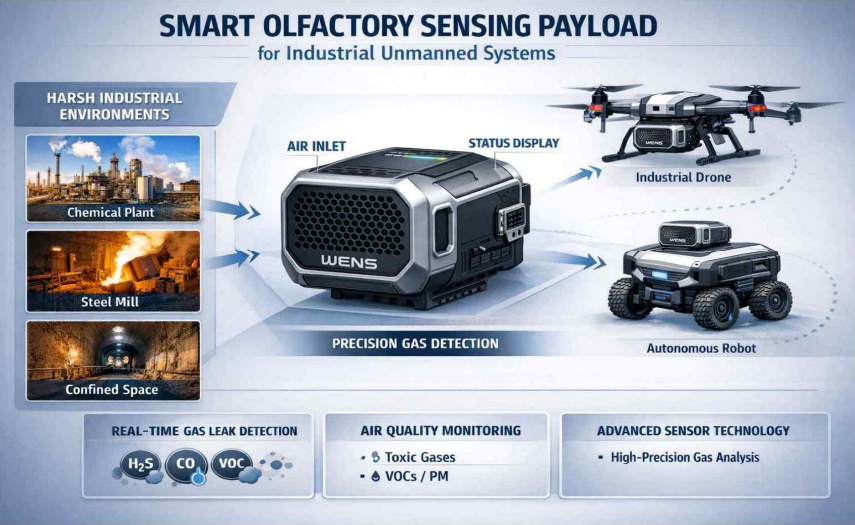
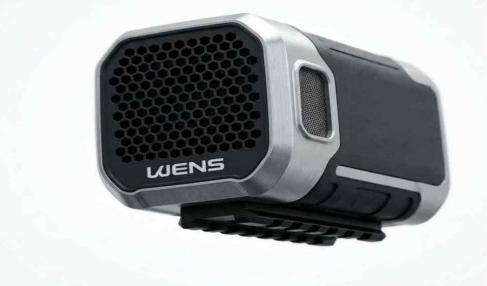
[Concept Diagram of the Proposed Item]

05

Other Design Requirements

  • In design development, not only the product exterior itself but also practical commercialization potential should be considered. The identity of the product as a manufacturer’s sensor module must be clearly expressed, and the reliability and precision unique to professional equipment should be visually conveyed.
  • At the same time, rather than an overly complex or difficult-to-manufacture structure, a realistic design direction is required considering future working mockup production and mass-production transition.
  • It is necessary to review the space and system for applying logos, nameplates, labels, UI elements, and other elements to the exterior, thereby securing a product structure that can be linked to future brand development.
  • It is important to ensure that product design and brand identity are not separated but lead to one integrated outcome.
06

Expected Effects

  • 1. Sales Growth Effect Based on Design Application
    • Entry into the B2B market becomes possible as product completeness and reliability improve compared to existing function-centered products.
    • Expected conversion into a high-value-added sensor module product, leading to an increase in product unit price and improved profitability.
    • Secure an initial sales structure through proposals, exhibitions, and PoC using the design output.

Category

1 Year After Launch

2 Years After Launch

3 Years After Launch

4 Years After Launch

Sales Revenue(Relevant Product)

KRW 50 million

KRW 200 million

KRW 500 million

KRW 1,000 million

Export Revenue

-

KRW 50 million

KRW 200 million

KRW 400 million

New Employment

1 person

2 people

3 people

5 people

  • 2. Improvement of Product Reliability and Brand Competitiveness
    • Market reliability is improved by transitioning from a function-centered product to a complete product incorporating design.
    • Securing product exterior quality and usability required in industrial and professional equipment markets.
    • Strengthening corporate image and product recognition by establishing B2B brand identity.

      [Improvement of Product Reliability and Brand Competitiveness]
  • 3. Export and New Customer Expansion Effects
    • Possibility of expanding domestic and overseas customers by securing product design and brand competitiveness.
    • Expected response to overseas buyers and export expansion based on initial delivery and verification.
    • Expected gradual increase in production, technology, and sales personnel in line with business expansion.
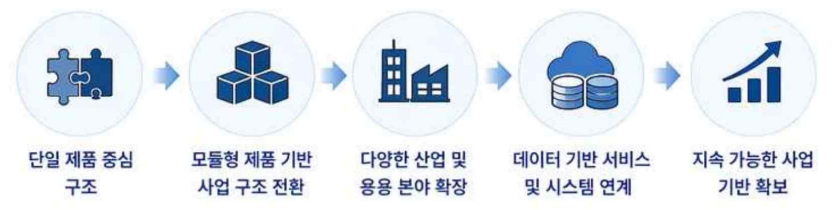
  • 4. Advancement of Business Structure and Securing Technological Scalability
    • Transition from an existing single-product-centered structure to a modular product-based business structure.
    • Securing a product portfolio foundation expandable into various industries and application fields.
    • Establishing a business foundation expandable into data-based services, system integration, and other areas.

      [Establishment of a Sustainable Growth Business Model and Enhancement of Corporate Value]